
The Pantanal: The World's Greatest Wildlife Spectacle
The Pantanal is not the most famous wildlife destination in South America — that distinction belongs to the Galápagos or the Amazon. But for sheer density and diversity of visible wildlife, nothing on the continent comes close. Covering approximately 150,000 square kilometers across Brazil, Bolivia, and Paraguay, the Pantanal is the world's largest tropical wetland — and a wildlife paradise of almost incomprehensible richness.
Unlike the Amazon, where dense forest canopy conceals most animals, the Pantanal's open landscape of flooded grasslands, gallery forests, and oxbow lakes puts wildlife on full display. Visitors routinely see more large mammals and birds in a single day than they might encounter in a week in other destinations. This guide covers the 20 most iconic species and what you need to know to find them.
The Big Cats
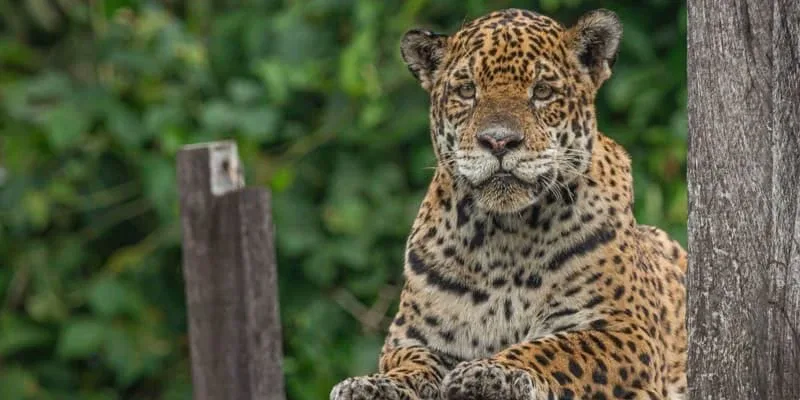
1. Jaguar (Panthera onca)
The jaguar is the undisputed star of the Pantanal, and the reason many visitors make the journey specifically to this region. The Pantanal has the world's highest density of jaguars — an estimated 4,000–7,000 individuals in the Brazilian Pantanal alone — and the open landscape makes sightings far more reliable than anywhere else in their range.The best jaguar-viewing area is the Cuiabá River in the northern Pantanal (Mato Grosso state), where boat-based safaris offer extraordinary close encounters. In the southern Pantanal, sightings are less frequent but still occur regularly, particularly along rivers and forest edges.
Best viewing: Dry season (July–October) | Method: Boat safari
2. Puma / Mountain Lion (Puma concolor)
Less visible than the jaguar but present throughout the Pantanal, the puma is most often seen at dawn and dusk on open grasslands. Sightings are genuinely exciting but less predictable than jaguar encounters.Best viewing: Year-round | Method: Vehicle safari at dawn/dusk
Large Mammals
3. Giant River Otter (Pteronura brasiliensis)
The giant river otter is one of the Pantanal's most charismatic residents — and one of its most endangered. Family groups of up to 8 individuals occupy territories along rivers and oxbow lakes, where they hunt fish cooperatively with extraordinary efficiency. Their vocalizations — a complex repertoire of screams, hums, and snorts — are among the most distinctive sounds of the Pantanal.Best viewing: Dry season | Method: Boat safari
4. Capybara (Hydrochoerus hydrochaeris)
The world's largest rodent is one of the most abundant large mammals in the Pantanal. Herds of 20–100 individuals graze on riverbanks and flooded grasslands throughout the day, showing remarkable tolerance for human presence. Capybaras are a keystone species — their grazing maintains grassland structure, and their bodies support populations of birds, ticks, and parasites that form part of the food web.Best viewing: Year-round | Method: Vehicle or boat safari
5. Giant Anteater (Myrmecophaga tridactyla)
One of the most prehistoric-looking mammals on Earth, the giant anteater is frequently seen on open grasslands, particularly in the late afternoon. Their long, sticky tongues can extract 35,000 ants and termites per day. Mothers carry their young on their backs for up to a year, making family sightings particularly memorable.Best viewing: Dry season | Method: Vehicle safari
6. Tapir (Tapirus terrestris)
The largest land mammal in South America, the tapir is a shy but surprisingly common resident of the Pantanal's gallery forests and riverbanks. Tapirs are excellent swimmers and often enter water to escape predators or simply to cool down. Night safaris offer the best chance of close encounters.Best viewing: Year-round | Method: Night safari or boat
7. Marsh Deer (Blastocerus dichotomus)
The largest deer species in South America, the marsh deer is perfectly adapted to the Pantanal's flooded environment. Their splayed hooves act like snowshoes on soft ground, and they are excellent swimmers. Males carry impressive antlers that can span over a meter.Best viewing: Dry season | Method: Boat or vehicle safari
8. Peccary (Tayassu pecari / Pecari tajacu)
Two species of peccary — the white-lipped and the collared — inhabit the Pantanal. White-lipped peccaries travel in herds of up to 300 individuals, creating an extraordinary spectacle when encountered. Their musky odor is detectable long before they are visible.Best viewing: Year-round | Method: Vehicle safari
Birds
9. Hyacinth Macaw (Anodorhynchus hyacinthinus)
The world's largest parrot and one of the most visually stunning birds on Earth, the hyacinth macaw is electric blue from beak to tail. The Pantanal holds the world's largest population — approximately 5,000 individuals — and sightings are common, particularly around the manduvi palm trees where they nest and feed.Best viewing: Year-round | Method: Any
10. Jabiru Stork (Jabiru mycteria)
The jabiru is the symbol of the Pantanal — a massive stork standing 1.4 meters tall with a wingspan of 2.6 meters. Nesting pairs build enormous stick nests at the tops of tall trees, and their courtship displays are spectacular. The Pantanal holds the world's largest population.Best viewing: Dry season | Method: Any
11. Roseate Spoonbill (Platalea ajaja)
One of the most visually striking birds of the Pantanal, the roseate spoonbill feeds by sweeping its spatula-shaped bill through shallow water. Flocks of dozens of individuals feeding together create one of the most photogenic scenes in South American wildlife.Best viewing: Dry season | Method: Boat safari
12. Toco Toucan (Ramphastos toco)
The most iconic toucan species, the toco toucan is common throughout the Pantanal and remarkably approachable. Their oversized bills — used to reach fruit on thin branches and to regulate body temperature — are even more impressive in person than in photographs.Best viewing: Year-round | Method: Any
13. Sunbittern (Eurypyga helias)
One of the most extraordinary birds in the world, the sunbittern displays spectacular "eye" patterns on its wings when threatened — a sudden burst of color that startles predators. Found along forested rivers and streams, it is a prized sighting for birdwatchers.Best viewing: Year-round | Method: Boat safari on smaller rivers
14. Harpy Eagle (Harpia harpyja)
The most powerful eagle in the Americas, the harpy eagle is rare but present in the Pantanal's gallery forests. Sightings require luck and patience, but the bird's size — females can weigh 9 kg — makes it unmistakable when found.Best viewing: Year-round | Method: Forest walks with expert guides
Reptiles
15. Yacare Caiman (Caiman yacare)
The yacare caiman is the most abundant large reptile in the world — an estimated 10 million individuals inhabit the Pantanal. During the dry season, caimans congregate in their thousands around shrinking water bodies, creating extraordinary wildlife spectacles. Despite their fearsome appearance, they are generally not aggressive toward humans.Best viewing: Dry season | Method: Boat safari
16. Yellow Anaconda (Eunectes notaeus)
The yellow anaconda is smaller than its green cousin but still reaches 4 meters in length. Found in marshy areas and along riverbanks, anacondas are ambush predators that feed on fish, birds, and small mammals. Sightings are exciting but not guaranteed.Best viewing: Wet season | Method: Boat safari
17. Yellow-footed Tortoise (Chelonoidis denticulatus)
The largest tortoise in South America, the yellow-footed tortoise is a common sight on forest trails in the Pantanal. These gentle giants can live for over 100 years and play an important role in seed dispersal.Best viewing: Year-round | Method: Forest walks
Aquatic Life
18. Piranha (Serrasalmus / Pygocentrus spp.)
The piranha — particularly the red-bellied piranha — is one of the Pantanal's most famous residents. Despite their fearsome reputation, piranha attacks on humans are extremely rare. Fishing for piranha is a popular activity, and the fish are excellent eating when grilled.Best viewing: Year-round | Method: Fishing or boat safari
19. Giant River Turtle (Podocnemis expansa)
The largest river turtle in South America, the giant river turtle nests on sandy riverbanks during the dry season. Conservation programs have helped recover populations that were severely depleted by hunting.Best viewing: Dry season | Method: Boat safari
20. Freshwater Stingray (Potamotrygon spp.)
Several species of freshwater stingray inhabit the Pantanal's rivers and flooded areas. They are most visible in clear, shallow water, where their disc-shaped bodies are visible on sandy bottoms. Caution is required when wading — their venomous spines can cause serious injury.Best viewing: Dry season | Method: Boat safari in clear water
Planning Your Wildlife Safari
| Safari Type | Best Species | Season | |---|---|---| | Boat safari | Giant otter, caiman, birds | Dry season | | Vehicle safari | Jaguar, giant anteater, deer | Dry season | | Night safari | Tapir, puma, owls | Year-round | | Walking safari | Birds, reptiles, insects | Dry season | | Fishing | Piranha, dourado, pintado | Year-round |
The Pantanal rewards patience and early mornings. The most productive wildlife viewing hours are the first two hours after sunrise and the last two hours before sunset. A good guide makes an enormous difference — experienced naturalists know where to look, how to approach animals, and how to interpret behavior.
Pantanal Brazil Safaris works with guides who have spent decades in the field, ensuring that every safari maximizes wildlife encounters while maintaining the respectful distance that keeps animals wild and habituated to human presence.
Solicitar Orçamento Personalizado
Pronto para viver essa experiência? Nossa equipe cria o roteiro perfeito para você.
Falar com especialista